
These 6 Best Bedroom Plants for Better Sleep are Safe, Small & Easy to Care For
Creating a bedroom filled with the Best Bedroom Plants for Better Sleep isn’t just about aesthetics, it’s about shaping an environment that supports rest, relaxation, and well-being.
The right plants can improve air quality (to a degree), regulate humidity, reduce stress, and even help you sleep better. But not all plants are equally suited for a bedroom. Some require too much light or maintenance, while others may even release strong scents or allergens that disrupt sleep.
Below is a guide to the Best Bedroom Plants for Better Sleep, exploring why they work, how to care for them, and how to choose the right ones for your space.
Why Put Plants in Your Bedroom?
Before diving into specific Best Bedroom Plants for Better Sleep, it’s worth understanding why they belong in a bedroom at all.
1. Psychological Benefits
Plants have been shown to reduce stress and anxiety. Simply being around greenery can lower heart rate and create a calming atmosphere which is perfect for a space meant for rest.
2. Air Quality Support
While plants won’t replace ventilation or air purifiers, some species can help remove small amounts of toxins and improve perceived air freshness.
3. Humidity Regulation
Plants release moisture through transpiration, which can help balance dry indoor air, especially useful in winter or air-conditioned rooms.
4. Aesthetic Calm
Soft greens and natural forms create a peaceful visual environment, which can improve sleep quality.
Key Traits of Bedroom-Friendly Plants
Not every plant is ideal for where you sleep. The Best Bedroom Plants for Better Sleep tend to share these qualities:
- Thrive in low to moderate light
- Require minimal maintenance
- Don’t produce strong or overpowering scents
- Are non-toxic (especially important if you have pets)
- Don’t release excessive pollen
If you are looking for the Best Bedroom Plants for Better Sleep, here’s a detailed guide to small, safe (non-toxic) bedroom plants, with why each one works, best placement and care tips.
🌿 1. Spider Plant (Chlorophytum comosum)
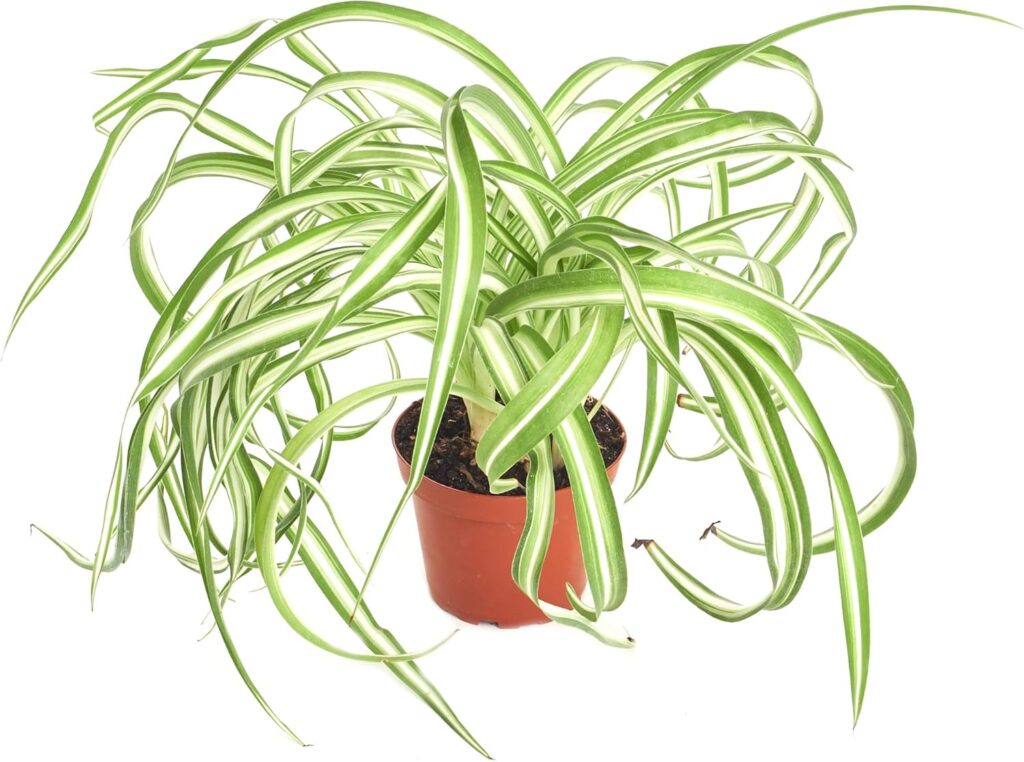
Why it’s one of the best
- Officially non-toxic to cats and dogs
- Extremely forgiving (great if you forget to water)
- Creates a soft, cascading look
What it feels like in a bedroom
Light, airy, slightly “messy” in a good way, great for a relaxed, cozy vibe.
Size & growth
- 20–40 cm tall
- Can spread wider with long arching leaves
Care
- Light: Indirect (can tolerate low light)
- Water: When top soil is dry
- Bonus: Produces baby plants (“spiderettes”)
👉 Best placement: Hanging basket near a window or high shelf (also protects from pets who love chewing it).
🌿 2. Calathea (Prayer Plant Family)
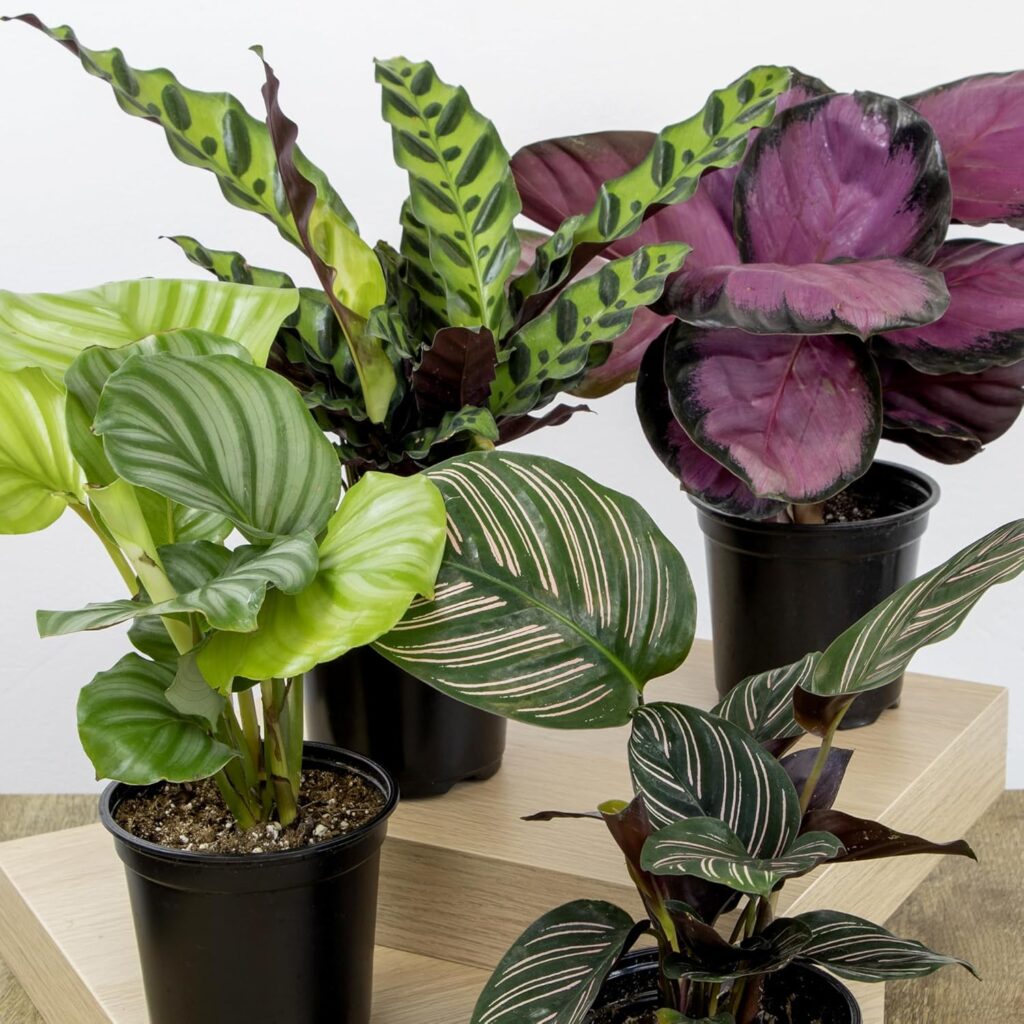
Why it stands out
- Completely pet-safe
- Some of the most decorative leaves you’ll find
- Leaves move slightly (open by day, close at night)
Bedroom vibe
More design-focused / aesthetic and great if you want your plant to feel like decor.
Size
- Usually 30–60 cm
- Compact and upright
Care (important)
- Light: Bright indirect (no direct sun)
- Water: Keep soil slightly moist
- Needs humidity (bathroom-like air is ideal)
👉 Reality check: Slightly “high-maintenance,” but worth it visually.
🌿 3. Baby Rubber Plant (Peperomia obtusifolia)
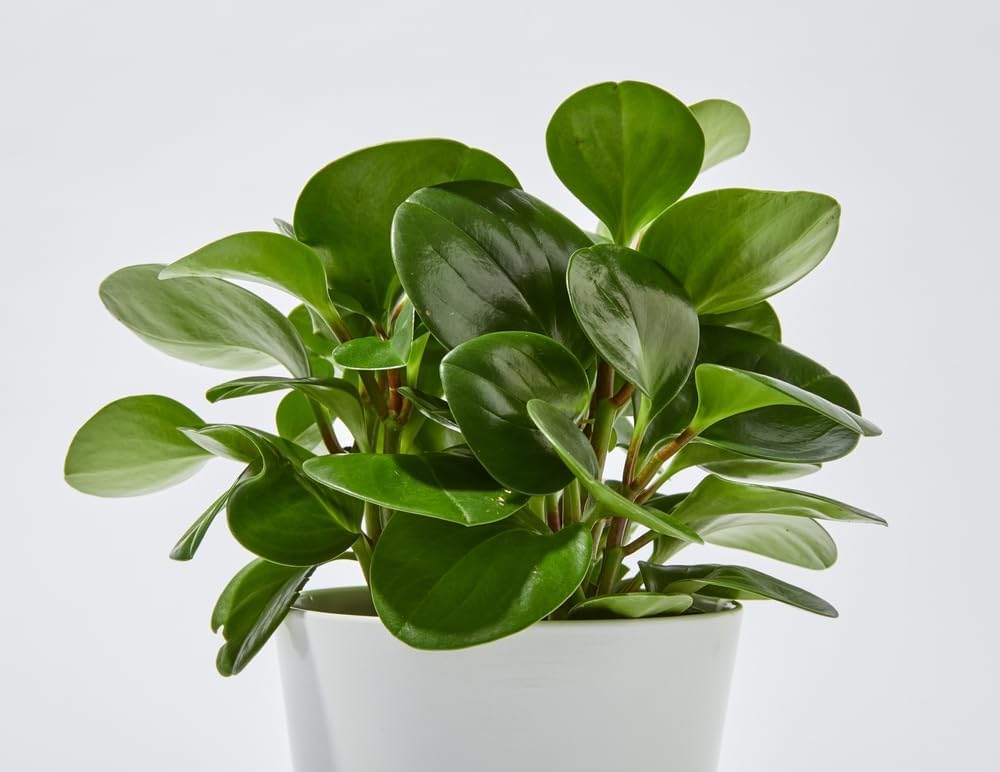
Why it’s underrated
- Non-toxic and very compact
- Thick leaves store water → hard to kill
- Clean, modern look
Bedroom vibe
Minimalist and tidy, perfect for modern or clean aesthetics.
Size
- 20–30 cm (stays small)
Care
- Light: Medium indirect
- Water: Every 1–2 weeks
- Very forgiving
👉 Best placement: Bedside table or desk.
🌿 4. Boston Fern (Nephrolepis exaltata)
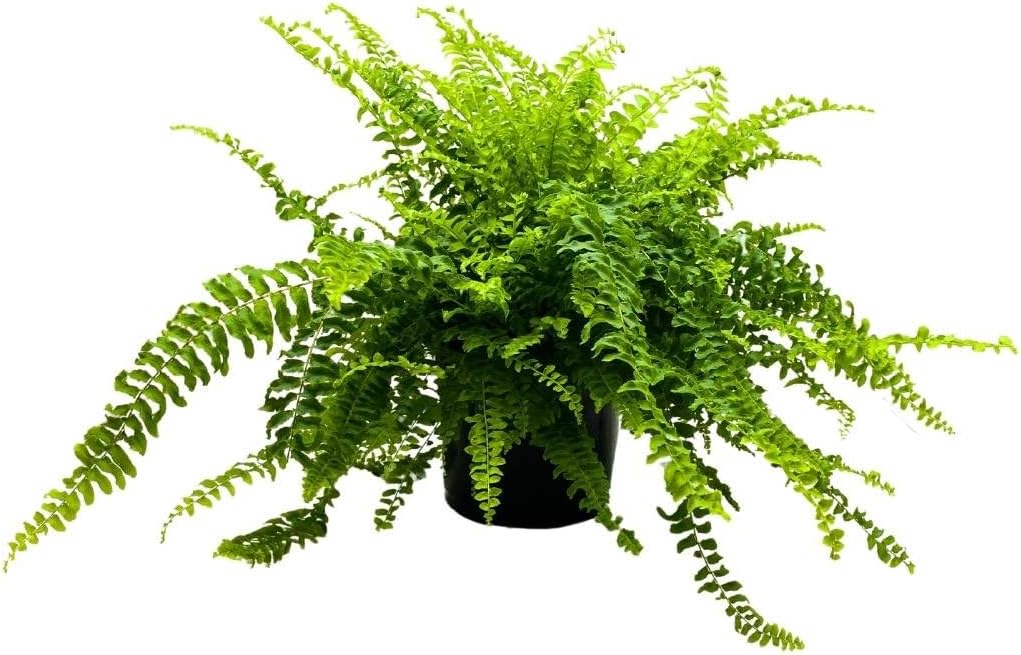
Why it works
- Safe for pets
- Adds humidity (great for dry rooms)
- Soft, calming texture
Bedroom vibe
Feels lush and relaxing, almost like a mini indoor forest.
Size
- 30–60 cm wide and full
Care
- Light: Indirect
- Water: Keep soil moist
- Likes misting or humid air
👉 Best placement: Hanging or on a plant stand.
🌿 5. Parlor Palm (Chamaedorea elegans)
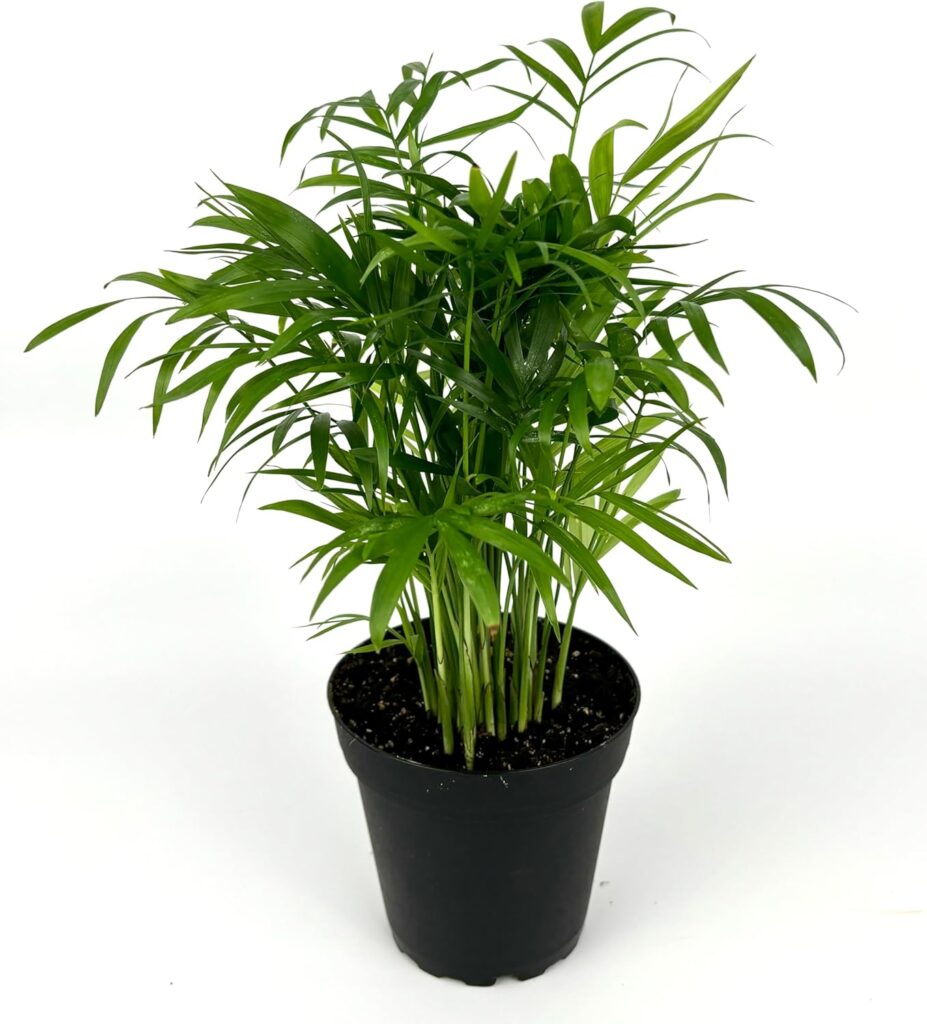
Why it’s ideal
- Pet-safe and widely recommended
- Tolerates low light
- Elegant but not overwhelming
Bedroom vibe
Soft, hotel-like calm, subtle and refined.
Size
- 60–120 cm (slow growing, manageable)
Care
- Light: Low to medium
- Water: Light, occasional
- Very low effort
👉 Best placement: Corner of the room or next to a wardrobe.
🌿 6. Haworthia (Mini Succulent)
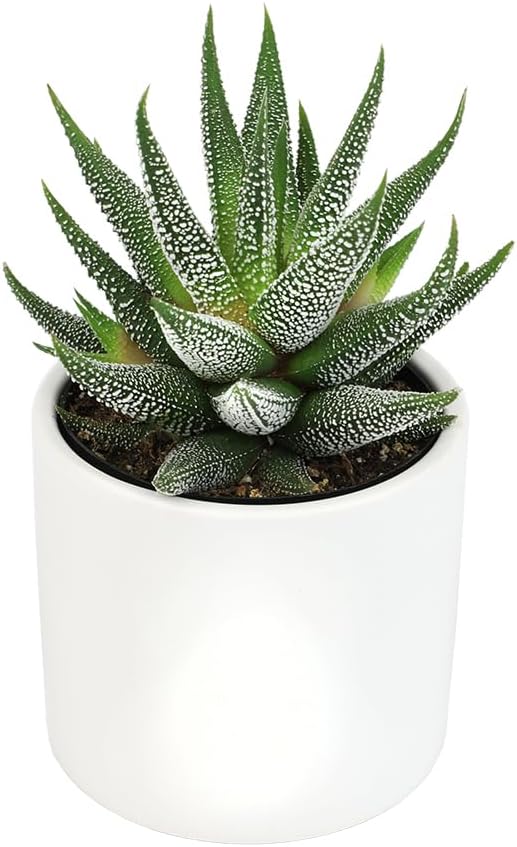
Why it’s perfect for tiny spaces
- Small, sculptural, and pet-safe
- Needs very little care
- Great alternative to aloe (which is toxic)
Bedroom vibe
Minimal, modern, slightly “zen”
Size
- 5–15 cm
Care
- Light: Bright indirect
- Water: Every 2–3 weeks
- Very drought-tolerant
👉 Best placement: Windowsill or nightstand.
🛏️ How to Combine These in a Bedroom
Here are simple layouts that actually work:
Minimal setup (best for most people)
- 1 × Spider plant (hanging)
- 1 × Peperomia (bedside)
- 1 × Haworthia (small accent)
Cozy / relaxing setup
- 1 × Boston fern
- 1 × Parlor palm
- 1 × Spider plant
Stylish / aesthetic setup
⚠️ Important Reality Tips
1. “Pet-safe” doesn’t mean edible
Even safe plants can cause mild stomach upset if eaten
→ Still best to keep them slightly out of reach
2. Light matters more than you think
Even “low light” plants still need some light, completely dark corners won’t work.
3. Overwatering kills most plants
- Spider plant & peperomia: let soil dry a bit
- Ferns & calathea: keep slightly moist

🌙 Final Thoughts on the Best Bedroom Plants for Better Sleep
Choosing the Best Bedroom Plants for Better Sleep that are safe and small isn’t just about decoration, it’s about creating a space that supports better sleep, lower stress, and a healthier indoor environment. The right plants can transform your bedroom into a calm, natural retreat without adding clutter or maintenance headaches.
If you focus on the essentials, non-toxic plants, compact size and low-maintenance care, you’ll naturally end up with options that are both beautiful and practical. Plants like the Spider Plant, Baby Rubber Plant, and Parlor Palm consistently rank among the Best Bedroom Plants for Better Sleep because they combine safety, ease of care, and visual appeal.
🌿 Why These Are the Best Bedroom Plants for Better Sleep
When people search for:
- “best plants for bedroom air quality”
- “safe plants for pets in bedroom”
- “small indoor plants for low light bedrooms”
They’re really looking for three things:
1. Safety First (Pet-Friendly & Non-Toxic)
Many popular houseplants are toxic, which makes safe alternatives essential. Plants like spider plants, calatheas, and ferns are widely recommended as pet-safe indoor plants, making them ideal for bedrooms where pets may roam.
2. Small Size & Space Efficiency
Bedrooms aren’t usually large, so choosing compact houseplants prevents overcrowding. Smaller plants like peperomia or haworthia fit perfectly on nightstands, shelves, and window sills while still adding life to the room.
3. Low Maintenance Living
The best bedroom plants are the ones you don’t have to think about daily. Low-maintenance plants reduce stress instead of adding to it—making options like spider plants and parlor palms perfect for beginners.
If you liked this article on The 6 Best Bedroom Plants for Better Sleep please share it with your friends and family, and then check out more of our articles on Homes and Gardens.
.

Cool